
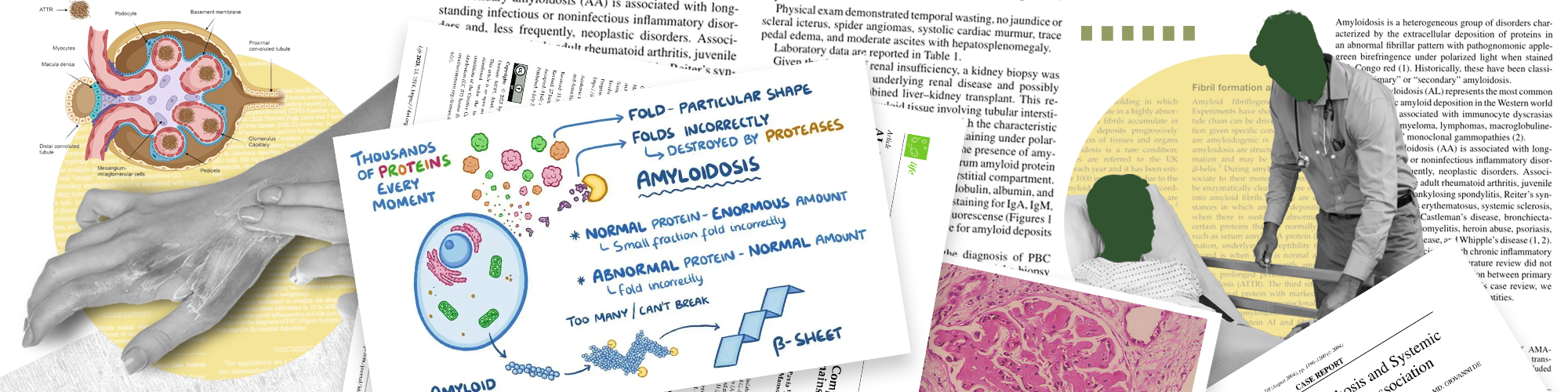
Amyloidosis is a group of rare diseases characterised by the abnormal buildup of amyloid proteins in organs and tissues. These proteins misfold into stiff, insoluble fibres called amyloid fibrils, which disrupt the normal function of affected organs. In many cases, the abnormal amyloid protein is produced in the bone marrow by plasma cells. These proteins can then travel throughout the body and deposit in various organs, causing a range of symptoms depending on the location and extent of the buildup. Amyloid deposits can affect almost any organ, but some of the most commonly involved include: liver, spleen, nervous system, kidneys, heart, digestive tract.
The causes of amyloidosis can be classified into different types based on the origin of the abnormal proteins. Here are the main types and their associated causes:
AL amyloidosis, also known as primary amyloidosis, is the most prevalent type in developed nations. It predominantly impacts the heart, kidneys, liver, and nerves.
Cause: Production of abnormal immunoglobulin light chains in the bone marrow. This is typically associated with plasma cell disorders, such as multiple myeloma.
AA amyloidosis, alternatively referred to as secondary amyloidosis, commonly affects the kidneys, liver, and spleen. It arises from inflammatory diseases like rheumatoid arthritis.
Cause: Chronic inflammatory or infectious diseases stimulate the liver to produce a specific type of amyloid protein called serum amyloid A (SAA). Conditions like rheumatoid arthritis, inflammatory bowel disease, or chronic infections can contribute to AA amyloidosis.
Hereditary amyloidosis, also known as familial amyloidosis, is an inherited disorder that frequently targets the nerves, heart, and kidneys. It usually results from an abnormal form of the protein transthyretin (TTR) produced by the liver.
Cause: Genetic mutations that lead to the production of abnormal amyloid proteins. Transthyretin (TTR) is a common protein associated with hereditary amyloidosis.
Wild-type amyloidosis, also known as senile systemic amyloidosis, primarily impacts the heart and often affects men over 70. It can occasionally cause carpal tunnel syndrome.
Cause: This form occurs when the normal TTR protein, produced by the liver, forms amyloid deposits for reasons not fully understood.
Localised amyloidosis, which generally carries a more favourable prognosis compared to forms affecting multiple organ systems. Common sites for localised amyloidosis include the bladder, skin, throat, or lungs. Accurate diagnosis is crucial to avoid treatments that impact the entire body.
Anyone can develop amyloidosis but the following factors increase one’s risk of acquiring amyloidosis:
The risk of developing amyloidosis tends to increase with age. Certain types of amyloidosis, such as wild-type amyloidosis (senile systemic amyloidosis), are more commonly observed in older individuals, especially those over the age of 70.
Some types of amyloidosis exhibit gender-specific patterns. For instance, hereditary amyloidosis (familial amyloidosis) may show a higher prevalence in certain genders due to genetic inheritance patterns. Other types, like wild-type amyloidosis, often affect men more than women.
Genetic factors play a crucial role in the development of amyloidosis, particularly in hereditary forms. Individuals with a family history of amyloidosis, especially those with known genetic mutations associated with the condition, may have an increased risk of inheriting and developing the disorder.
Individuals undergoing long-term kidney dialysis are at an increased risk of developing AA amyloidosis. This is attributed to the chronic inflammatory state often associated with kidney disease, which can lead to the production of the amyloid protein serum amyloid A (SAA).
The risk of certain types of amyloidosis may vary among different racial or ethnic groups. For example, certain hereditary forms of amyloidosis may have a higher prevalence in specific populations.
Underlying medical conditions, particularly chronic inflammatory diseases such as rheumatoid arthritis, can contribute to the development of AA amyloidosis. The type of existing disease can influence the type of amyloidosis that may develop.
Amyloidosis symptoms can vary depending on the organs affected and the specific type of amyloidosis. Here is a list of common symptoms associated with amyloidosis:
Accumulation of fluids in the lower extremities can lead to noticeable swelling, particularly in the ankles and legs. This is often due to impaired fluid drainage caused by amyloid deposits.
Amyloid deposits can interfere with the normal function of the throat muscles, leading to difficulty in swallowing. This symptom can contribute to challenges in eating and may impact overall nutrition.
Amyloidosis may cause the spleen to become enlarged, leading to discomfort or pain in the abdominal area. This enlargement can affect the spleen's ability to perform its normal functions.
In cases where amyloidosis affects the heart or lungs, individuals may experience shortness of breath. This can be a result of compromised cardiac or respiratory function.
Gastrointestinal involvement in amyloidosis can lead to symptoms such as vomiting. This may be accompanied by other digestive issues like diarrhoea or constipation.
Amyloid deposits may weaken blood vessels, making them more prone to rupture and causing internal bleeding. This can result in haemorrhaging, which may manifest as bleeding in the skin or other organs.
Diarrhoea, possibly with blood, and constipation: Gastrointestinal symptoms can include changes in bowel habits, ranging from diarrhoea, sometimes with the presence of blood, to constipation. These issues can contribute to nutritional deficiencies.
Amyloidosis can affect the skin, leading to changes such as thickening or increased fragility. Easy bruising and the development of purplish patches around the eyes are characteristic features.
It is essential for individuals experiencing these symptoms to seek prompt medical attention for a comprehensive evaluation and diagnosis.
Amyloidosis can lead to a range of complications depending on the specific organs affected by the buildup of amyloid protein. Here are some of the most common complications:
Heart:
Cardiac amyloidosis (stiff heart syndrome): Amyloid deposits in the heart walls can make them stiff and less able to pump effectively, leading to heart failure, arrhythmias, and even death.
Low blood pressure: Amyloid can affect the nerves that control blood pressure, leading to lightheadedness, dizziness, and fainting.
Kidneys:
Kidney failure: Amyloid in the kidneys can damage the filters, leading to protein in the urine, swelling, and ultimately kidney failure requiring dialysis or kidney transplantation.
Nephrotic syndrome: This syndrome presents with protein in the urine, high blood pressure, and swelling.
Liver: Liver failure: Amyloid deposits in the liver can impair its function, leading to fatigue, jaundice, and fluid buildup in the abdomen.
Gastrointestinal Tract:
Bowel obstruction: Amyloid deposits can thicken or stiffen the intestinal walls, leading to blockages and difficulty passing stool.
Malabsorption: Amyloid can damage the lining of the intestine, affecting nutrient absorption and potentially causing vitamin deficiencies and weight loss.
Nervous System: Amyloid neuropathy: This affects the peripheral nerves, causing numbness, tingling, pain, weakness, and autonomic dysfunction (impaired bladder control, sweating abnormalities, etc.).
Other organs: Amyloid can also affect the skin, tongue, eyes, lungs, and other organs, leading to specific complications like purpura, macroglossia, dry eyes, and respiratory problems.
Increased risk of bleeding: Amyloid can affect blood clotting, leading to bruising and bleeding.
Malnutrition: Difficulty eating, absorbing nutrients, and fatigue can all contribute to malnutrition.
Infection: Weakened immune system due to organ damage and malnutrition can increase susceptibility to infections.
Psychological distress: The burden of chronic illness and its complications can lead to anxiety, depression, and other mental health issues.
The severity and progression of these complications depend on the type of amyloidosis, the organs involved, and the individual's overall health. Early diagnosis and treatment of amyloidosis are crucial to prevent or manage these complications and improve the quality of life for patients.
Diagnosing amyloidosis can be challenging due to its rarity and the variability of symptoms depending on the affected organs. However, a combination of tests and procedures can help pinpoint the presence and type of amyloid involved. Here's an overview of the diagnostic process:
Patients will be asked about their symptoms, family history of amyloidosis, and potential exposure to risk factors like chronic infections or certain medications. A physical examination can reveal signs like swelling, organ enlargement, or nerve damage.
Blood tests may detect abnormal levels of specific proteins associated with different types of amyloidosis. Urine tests can check for the presence of amyloid protein in the urine, suggesting kidney involvement.
Imaging techniques like echocardiograms, CT scans, MRI scans, and nuclear imaging can visualise organ damage and amyloid deposits in various locations.
This definitive test involves collecting a small tissue sample, usually from the heart, kidney, liver, fatty tissue, or rectum, for microscopic examination to identify amyloid deposits and determine the specific type of protein involved.
In cases with a family history of amyloidosis, genetic testing can identify mutations associated with specific familial forms of the disease.
While there is currently no cure for amyloidosis, available treatments focus on managing symptoms and restricting the ongoing production of amyloid proteins. Addressing the underlying cause, especially if amyloidosis is secondary to conditions like rheumatoid arthritis or tuberculosis, can be beneficial in the overall management of the disease.
Chemotherapy: Used in AL amyloidosis to inhibit abnormal cell growth producing amyloid.
Heart Medications: Blood thinners, heart rate control, and diuretics may be prescribed for heart-related symptoms.
Targeted Therapies: Drugs like patisiran and inotersen can interfere with faulty gene commands, while drugs like tafamidis and diflunisal stabilise proteins to prevent amyloid formation.
Autologous blood stem cell transplant: Suitable for less advanced cases without severe heart involvement. Involves collecting and reinfusing the patient's own stem cells after high-dose chemotherapy.
Dialysis: Used when kidneys are damaged to filter blood and remove waste.
Organ transplant: Considered for severe heart or kidney damage. Liver transplant may be an option if amyloid is produced in the liver.

There is no specific prevention for amyloidosis, but managing underlying conditions and following a healthy lifestyle may contribute to overall well-being.
The impact on daily life varies depending on the organs involved. Individuals may face challenges related to organ function, mobility, and energy levels.
Yes, various support groups and online communities exist where individuals with amyloidosis and their families can share experiences and receive emotional support.
While some forms of amyloidosis have a genetic component, others are acquired. Genetic testing may be recommended in certain cases.
Adopting a healthy lifestyle, including a balanced diet, regular exercise, and stress management, may contribute to overall well-being for individuals with amyloidosis.
The frequency of medical check-ups depends on the severity of the condition and the organs affected. Regular monitoring by healthcare professionals is typically recommended.
Life expectancy varies based on the type and severity of amyloidosis. Consultation with healthcare providers can provide more personalised information.
In some cases, amyloidosis may recur after treatment. Follow-up care and ongoing monitoring are crucial to address any recurrence promptly.
Living a "normal" life with amyloidosis depends on several factors, including the type of amyloidosis, the organs affected, and the severity of symptoms. While there is no cure for amyloidosis, effective management and treatment can help individuals lead fulfilling lives. It's crucial to work closely with healthcare professionals to address symptoms, follow recommended treatments, and make necessary lifestyle adjustments to optimise quality of life.
Amyloidosis can affect different organs, leading to a range of symptoms. The abnormal accumulation of amyloid proteins can interfere with organ function and structure. Depending on the organs involved, symptoms may include fatigue, shortness of breath, swelling, heart issues, kidney dysfunction, and nerve problems. The impact on the body varies among individuals, and treatment aims to alleviate symptoms and slow down the progression of the disease.
There is no specific "best" diet for amyloidosis, as dietary recommendations may vary based on the individual's overall health and the specific organs affected. However, maintaining a well-balanced, low-sodium diet is often advised to manage fluid retention and support heart and kidney health. Consulting with a healthcare professional or a registered dietitian is essential to tailor dietary recommendations based on the individual's unique needs and medical condition.