
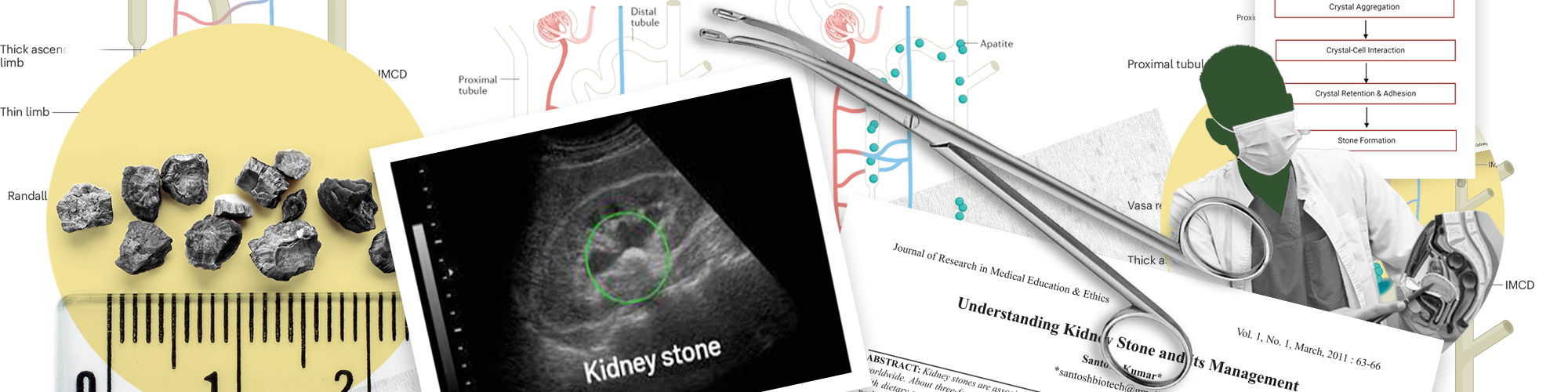
The Stone Clinic at KKI is a specialized center for prevention, diagnosis, and treatment of kidney stones and urinary tract stones.
Kidney stones (urolithiasis) are hard mineral deposits that form inside the kidneys or urinary tract and can cause severe pain, infection, or kidney damage. The clinic provides comprehensive evaluation, advanced treatment options, and preventive care to ensure long-term relief and reduce recurrence.
Patients are referred to the Stone Clinic if they have:
Recurrent severe flank or abdominal pain.
Blood in urine (hematuria).
History of multiple kidney stone episodes.
Urinary tract infections linked with stones.
Obstructed urine flow due to stones.
Family history of stone disease or metabolic disorders.
The clinic focuses not just on removing stones, but also on identifying causes and preventing recurrence.
Before visiting, patients should bring:
Past medical records of stone episodes or surgeries.
Any imaging scans (X-ray, ultrasound, CT scan).
Recent blood and urine reports (calcium, uric acid, electrolytes).
List of current medications.
Tests at the clinic may include:
Urine analysis for crystals, pH, infection.
24-hour urine collection to check stone-forming risk factors.
Blood tests for kidney function, calcium, uric acid.
CT KUB (Kidney-Ureter-Bladder scan) for accurate stone detection.
During the clinic visit:
A nephrologist/urologist reviews history and performs examination.
Depending on stone size, type, and location, treatment may include:
Medical therapy (hydration, pain relief, stone-dissolving drugs for uric acid/cystine stones).
Minimally invasive procedures:
ESWL (Shock Wave Lithotripsy) – non-invasive stone breaking.
URS (Ureteroscopy) – endoscopic removal.
PCNL (Percutaneous Nephrolithotomy) – for large stones.
Preventive strategy based on metabolic evaluation.
Initial visit: Complete evaluation, imaging, and personalized plan.
Treatment: Depending on urgency, stones may be removed same-day or scheduled.
Follow-ups: Regular monitoring to check for recurrence or complications.
Patients receive long-term diet and lifestyle guidance to avoid new stones.
If left untreated, kidney stones can cause:
Severe infections and fever (pyelonephritis, urosepsis).
Kidney obstruction leading to permanent damage.
Chronic kidney disease from repeated episodes.
Recurrent urinary tract infections.
Persistent pain and reduced quality of life.
With proper treatment, most patients achieve complete stone clearance.
Recurrence risk is significantly reduced with metabolic evaluation and diet changes.
Advanced minimally invasive techniques allow quicker recovery and less pain.
Long-term outcomes improve with regular monitoring and prevention strategies.
Patients are advised to:
Drink 2.5–3 liters of water daily (unless restricted for other kidney conditions).
Follow a stone-specific diet (low salt, moderate calcium, limit oxalate-rich foods like spinach, nuts).
Avoid excess red meat and high-purine foods (for uric acid stones).
Maintain a healthy weight and regular exercise.
Take prescribed medications (like potassium citrate or allopurinol) to reduce recurrence.
Nephrologist: Oversees evaluation, metabolic workup, and medical therapy.
Urologist: Performs surgical/endoscopic removal of stones.
Dietitian: Designs personalized dietary plans to prevent recurrence.
Radiologist: Provides accurate imaging and follow-up.
Clinical research: Patients may access newer minimally invasive technologies and novel preventive therapies under evaluation.
