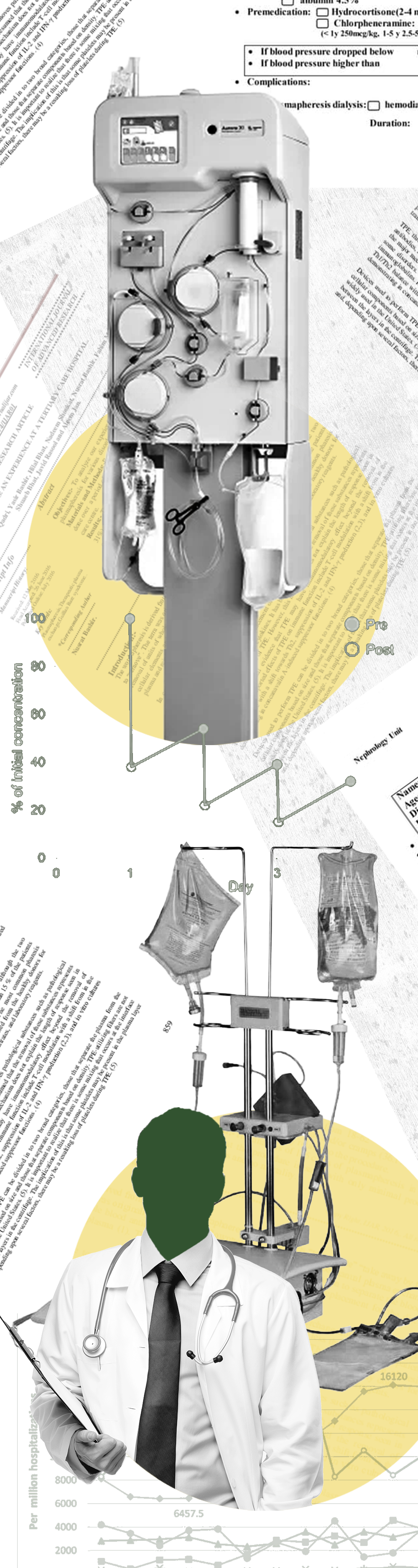
Also known as plasma exchange, plasmapheresis is an extracorporeal procedure that separates and removes the liquid portion of your blood (plasma)—while returning your red and white blood cells and platelets back to your circulation. It's often used to remove harmful antibodies or proteins from your bloodstream.
KKI recommends plasmapheresis as a treatment for autoimmune and neurologic disorders such as Guillain Barré syndrome, myasthenia gravis, neuromyelitis optica, and severe multiple sclerosis flare-ups—typically when steroid therapy has failed or rapid removal of pathogenic antibodies is needed.
Blood is drawn via a catheter or needle and is processed through a cell separator that removes plasma. The remaining blood components are then re-infused along with replacement fluid—usually albumin solution or fresh-frozen plasma.
A plasmapheresis session typically lasts several hours, depending on total blood volume exchanged. After the procedure, patients may feel tired or chilled, and are often advised to drink extra fluids to support recovery .
Removes disease-causing antibodies quickly and effectively, offering rapid symptom relief in acute autoimmune flares
Serves as a salvage or add-on therapy when first-line treatments are ineffective
Offers symptom control for immune-mediated disorders until longer-term immunosuppression takes effect
While generally safe, plasmapheresis may involve:
Hypocalcemia or hypomagnesemia due to citrate anticoagulant use (managed with calcium supplementation)
Hypotension, chills, nausea, or muscle cramps
Bleeding or hematoma at catheter site
Transfusion reactions or infection from replacement fluids
Allergic reactions or changes in heart rhythm
These risks are typically mild or manageable with attentive clinical monitoring
Proven to provide rapid symptom relief, especially in neurologic autoimmune conditions like Guillain Barré and myasthenia gravis
Outcomes depend on timely use, underlying disease, and concurrent medical therapy
Often used in conjunction with immunoglobulin therapy or immunosuppressive medications for long-term management.
KKI treats neuromuscular autoimmune disorders such as Guillain Barré syndrome and neuromyelitis optica using plasma exchange protocols developed over years of care experience
They actively study its use in maintenance regimens (e.g., for refractory neuromyelitis optica relapses) and in transplant immunology to remove donor-specific antibodies.