

If you have a condition that prevents your kidneys from working properly, dialysis does the work for them — it filters your blood to remove waste products and excess fluids. Common waste products include nitrogen waste (urea), muscle waste (creatinine) and acids.
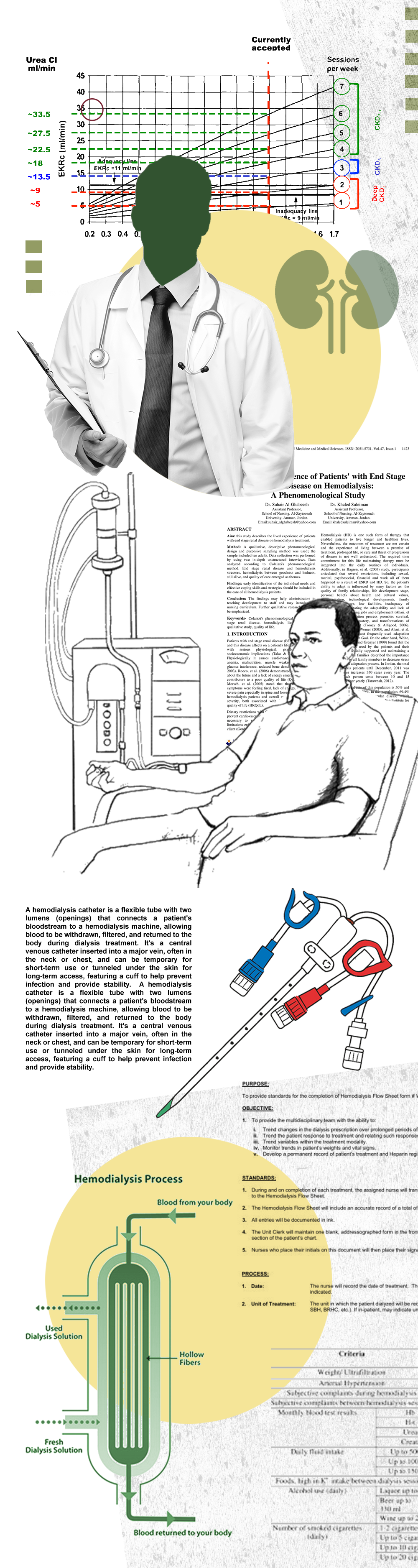
During hemodialysis, a machine removes blood from your body, runs it through a filter called a dialyzer which works like an artificial kidney and then returns the filtered blood to your body.
A sudden episode of kidney failure or kidney damage that happens within a few hours or days. AKI is usually treated in a hospital setting with intravenous fluids (given through the vein). In severe cases, dialysis may also be needed for a short time until the kidneys get better.
There are five stages of kidney disease, and the doctor considers hemodialysis in the end stage when the kidneys function only 10 to 15 % of their capacity. Hemodialysis is done to keep the kidney alive.
Preparation for hemodialysis starts several weeks to months before your first procedure. To allow for easy access to your bloodstream, a surgeon will create a vascular access by enlarging the artery and the vein which makes dialysis easier due to the quicker flow of blood. The access provides a mechanism for a small amount of blood to be safely removed from your circulation and then returned to you in order for the hemodialysis process to work. The surgical access needs time to heal before you begin hemodialysis treatments.
There are three types of accesses:
Arteriovenous (AV) fistula: A surgically created AV fistula is a connection between an artery and a vein, usually in the arm you use less often. This is the preferred type of access because of effectiveness and safety.
AV graft: If your blood vessels are too small to form an AV fistula, the surgeon may instead create a path between an artery and a vein using a flexible, synthetic tube called a graft.
Central venous catheter: If you need emergency hemodialysis, a plastic tube (catheter) may be inserted into a large vein in your neck. The catheter is temporary.
It's extremely important to take care of your access site to reduce the possibility of infection and other complications. Follow your health care team's instructions about caring for your access site.
Your healthcare provider will also teach you how to clean your fistula or graft to prevent infections. Signs of infection include:
Pain.
Tenderness.
Swelling.
Discoloration (red, gray, pink, brown or black).
Fever.
Protecting your fistula or graft and the surrounding area is important. The following tips can help protect the areas:
Avoid sleeping on your access area.
Avoid wearing jewelry or tight clothes that may squeeze your access.
Avoid wearing a purse or bag strap across your access.
Don’t take blood pressure or have blood drawn from the arm that has your access.
If you accidentally damage your fistula or graft, you may no longer be able to use it for hemodialysis.
During treatments, you sit or recline in a chair while your blood flows through the dialyzer — a filter that acts as an artificial kidney to clean your blood.
Preparation: Your weight, blood pressure, pulse and temperature are checked. The skin covering your access site — the point where blood leaves and then reenters your body during treatment — is cleansed.
Starting: During hemodialysis, two needles are inserted into your arm through the access site and taped in place to remain secure. Each needle is attached to a flexible plastic tube that connects to a dialyzer. Through one tube, the dialyzer filters your blood a few ounces at a time, allowing wastes and extra fluids to pass from your blood into a cleansing fluid called dialysate. The filtered blood returns to your body through the second tube.
Monitoring: Because blood pressure and heart rate can fluctuate as excess fluid is drawn from your body, your blood pressure and heart rate will be checked several times during each treatment.
Finishing: When hemodialysis is completed, the needles are removed from your access site and a pressure dressing is applied to the site to prevent bleeding. Your weight may be recorded again.
The entire process takes around three to five hours and may be required 1-4 times a week, as instructed by your clinician. Then you're free to go about your usual activities until your next session
Your healthcare provider will remove the needles and clean your access areas of fistula and you may continue your everyday activities. You're free to go about your usual activities until your next session.
Many people feel tired or ill after standard hemodialysis sessions. Your symptoms may last for several hours. However, some people are able to get back to work within a few hours or after an overnight sleep.
Most people who require hemodialysis have a variety of health problems. Hemodialysis prolongs life for many people, but life expectancy for people who need it is still less than that of the general population.
While hemodialysis treatment can be efficient at replacing some lost kidney function, you may experience some of the related conditions listed below, although not everyone experiences all of these issues. Your dialysis team can help you deal with them.
Low blood pressure (hypotension): A drop in blood pressure is a common side effect of hemodialysis. Low blood pressure may be accompanied by shortness of breath, abdominal cramps, muscle cramps, nausea or vomiting.
Muscle cramps: Although the cause is not clear, muscle cramps during hemodialysis are common. Sometimes the cramps can be eased by adjusting the hemodialysis prescription. Adjusting fluid and sodium intake between hemodialysis treatments also may help prevent symptoms during treatments.
Itching: Many people who undergo hemodialysis have itchy skin, which is often worse during or just after the procedure.
Sleep problems: People receiving hemodialysis often have trouble sleeping, sometimes because of breaks in breathing during sleep (sleep apnea) or because of aching, uncomfortable or restless legs.
Anemia: Not having enough red blood cells in your blood (anemia) is a common complication of kidney failure and hemodialysis. Failing kidneys reduce production of a hormone called erythropoietin (uh-rith-roe-POI-uh-tin), which stimulates formation of red blood cells. Diet restrictions, poor absorption of iron, frequent blood tests, or removal of iron and vitamins by hemodialysis also can contribute to anemia.
Bone diseases: If your damaged kidneys are no longer able to process vitamin D, which helps you absorb calcium, your bones may weaken. In addition, overproduction of parathyroid hormone — a common complication of kidney failure — can release calcium from your bones. Hemodialysis may make these conditions worse by removing too much or too little calcium.
High blood pressure (hypertension): If you consume too much salt or drink too much fluid, your high blood pressure is likely to get worse and lead to heart problems or strokes.
Fluid overload: Since fluid is removed from your body during hemodialysis, drinking more fluids than recommended between hemodialysis treatments may cause life-threatening complications, such as heart failure or fluid accumulation in your lungs (pulmonary edema).
Inflammation of the membrane surrounding the heart (pericarditis): Insufficient hemodialysis can lead to inflammation of the membrane surrounding your heart, which can interfere with your heart's ability to pump blood to the rest of your body.
High potassium levels (hyperkalemia) or low potassium levels (hypokalemia): Hemodialysis removes extra potassium, which is a mineral that is normally removed from your body by your kidneys. If too much or too little potassium is removed during dialysis, your heart may beat irregularly or stop.
Access site complications: Potentially dangerous complications — such as infection, narrowing or ballooning of the blood vessel wall (aneurysm), or blockage — can impact the quality of your hemodialysis. Follow your dialysis team's instructions on how to check for changes in your access site that may indicate a problem.
Amyloidosis: Dialysis-related amyloidosis (am-uh-loi-DO-sis) develops when proteins in blood are deposited on joints and tendons, causing pain, stiffness and fluid in the joints. The condition is more common in people who have undergone hemodialysis for several years.
Depression: Changes in mood are common in people with kidney failure. If you experience depression or anxiety after starting hemodialysis, talk with your health care team about effective treatment options.
Side effects of hemodialysis include:
Low blood pressure (hypotension).
Nausea and vomiting.
Dizziness.
Fainting (syncope).
Chest pain.
Back pain.
Headaches.
Itchy skin (pruritus).
Muscle cramps.
Restless legs syndrome.
Every person responds differently to dialysis, and your level of risk for each side effect will differ from others. If you have concerns about any of these risks, talk to your doctor and dialysis team about ways you can lower your risk. Although these side effects may sound scary, they should be compared to the risks that come from continuing to live with untreated kidney failure.
Contact your healthcare provider if you experience:
Difficulty while passing urine.
Dizziness, and fainting.
If the person feels unusually thirsty.
Nausea and vomiting
Fever or leakage of fluid or redness and swelling at the site where the catheter is placed.
Severe pain in the abdomen.
Bulging in the abdomen or groin.
Most people on dialysis are able to keep a regular routine except for the time needed for treatments. Dialysis often makes people feel better because it helps clear the waste products that have built up in the blood between treatments. However, some people report feeling tired after dialysis, especially if they have been getting dialysis treatments for a long time.
People receiving dialysis treatments also need to be mindful of what they eat. The specific meal plan recommended for you may vary depending on which type of dialysis you receive. Work with your kidney dietitian to create a meal plan that fits your routine and lifestyle.
Traveling is also a possibility for people on dialysis. Dialysis centers are in every part of the United States and many other countries. The treatment is standardized. You must make an appointment for dialysis treatments at another dialysis center before you go. The staff at your current center may help you make the appointment. Visit the NKF Travel Tips AtoZ page for more information.
Many people on dialysis can go back to work after they have gotten used to dialysis. However, if your job has a lot of physical labor (heavy lifting, digging, etc.), you may need to look for a different type of work. Visit the NKF Working with Kidney Disease AtoZ page for more information.
It will likely take you and your family some time to get used to including dialysis treatments into a new routine.
If you choose not to start or decide to stop hemodialysis, toxins will build up in your blood (uremia) and your kidneys will eventually fail.
Kidney failure is fatal. You may survive a few days or weeks without hemodialysis if you have kidney failure.
Refusing or stopping hemodialysis is a personal choice. Before making a decision, you should share your feelings with your healthcare provider and family.
Hemodialysis is the most common type of dialysis. About 90% of all people who need dialysis receive hemodialysis.
You may feel a slight pinch when the needles enter your fistula or graft. However, the hemodialysis process itself doesn’t cause any pain.
You can use the time to watch TV or a movie, read, nap, or perhaps talk to your "neighbors" at the center. If you receive hemodialysis at night, you can sleep during the procedure.
It usually takes a week or two to get adjusted with the process. If you have a desk job, you may work during the process also. If you have a more physically demanding job, it might be a good idea to return to work once you’re used to hemodialysis.
Specific dietary guidelines are crucial for managing your health on dialysis. Your kidney dietitian can provide tailored advice.
Discuss the steps and possible things that can happen when a session is missed so you can stay on track with your treatment.
Ask about the planning required for traveling to make sure you can continue your treatment while away from home.