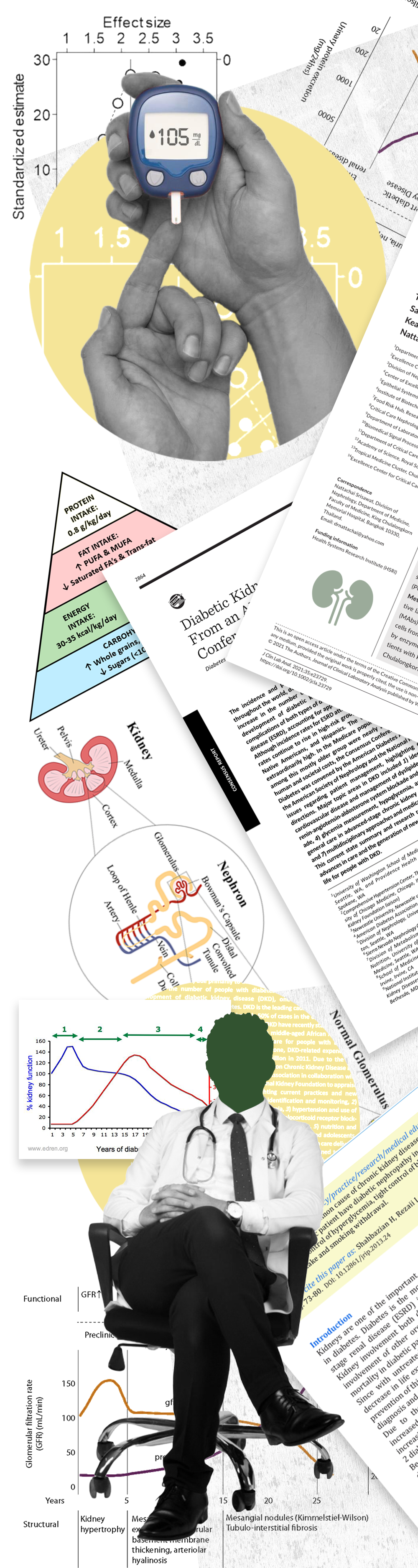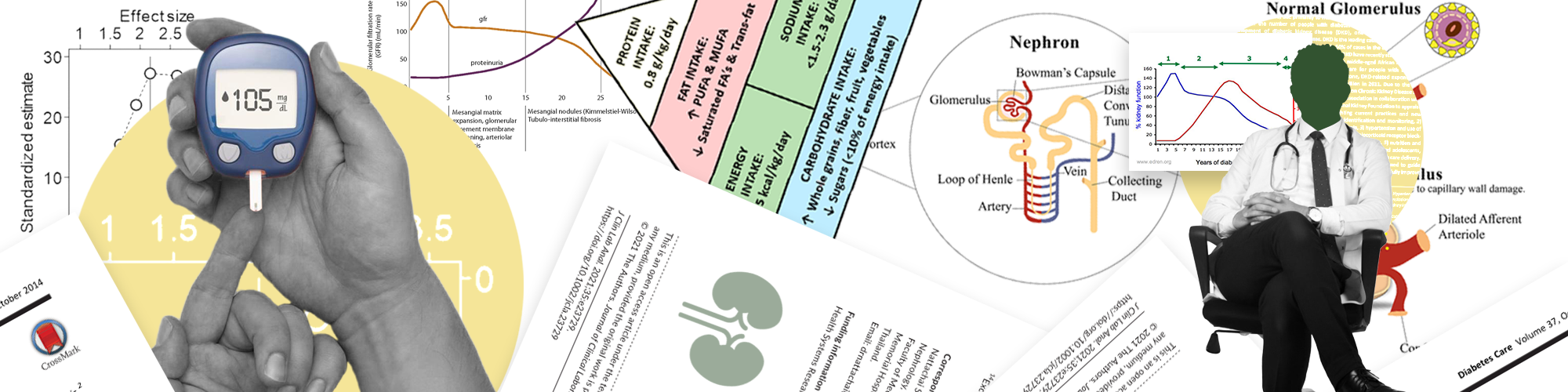
Diabetes Kidney Disease (DKD), also called diabetic nephropathy, is a long-term complication of diabetes that affects the kidneys’ filtering ability. Over time, high blood sugar damages the delicate blood vessels in the kidneys, leading to protein leakage in urine, reduced kidney function, and eventually chronic kidney disease (CKD).
The Diabetes Kidney Disease Clinic at KKI is a dedicated service for early detection, prevention, and management of kidney problems in people with diabetes.
This clinic is essential for:
People with Type 1 or Type 2 diabetes at risk of kidney complications.
Patients with protein in urine (albuminuria) or rising creatinine levels.
Diabetic patients with swelling, fatigue, or high blood pressure.
Individuals who want regular screening to protect long-term kidney health.
Those needing integrated management of diabetes, blood pressure, and kidney care
Patients should bring:
Recent blood sugar reports (HbA1c, fasting, post-meal).
Kidney function tests (serum creatinine, eGFR, urine albumin).
Blood pressure records and current medication list.
Medical history related to diabetes, heart disease, or CKD.
At the clinic, additional tests may include:
Urine albumin-to-creatinine ratio (UACR) for early kidney damage.
Ultrasound to assess kidney structure.
Lipid profile for cardiovascular risk assessment.
During the visit, patients undergo:
Comprehensive evaluation by a nephrologist and diabetologist.
Optimization of blood sugar and blood pressure targets.
Personalized treatment plan that may include:
Medications: SGLT2 inhibitors, ACE inhibitors/ARBs, GLP-1 receptor agonists.
Diet modifications: Low-salt, renal-protective diet, calorie control.
Lifestyle counseling: Exercise, weight control, and smoking cessation.
Advanced therapies for patients with progressive CKD.
Initial visit: Baseline evaluation and therapy planning.
Follow-up: Regular monitoring every 3–6 months depending on disease stage.
Early intervention helps slow disease progression and prevent dialysis.
Coordinated care between diabetes and kidney specialists ensures holistic management.
Without early detection and proper management, diabetic kidney disease may lead to:
Chronic kidney disease and kidney failure requiring dialysis or transplant.
Severe hypertension and cardiovascular complications.
Fluid overload, infections, and anemia.
Reduced quality of life due to progressive kidney decline.
Early stage DKD: Effective treatment can halt or reverse damage.
Moderate disease: Slows progression and reduces risk of kidney failure.
Advanced disease: Focus on preserving function, preparing for renal replacement therapy if required.
Integrated care improves long-term survival, heart health, and quality of life.
Patients are guided to:
Monitor blood sugar daily and maintain HbA1c <7% (or as advised).
Track blood pressure regularly at home.
Follow a renal-protective diet (low salt, moderate protein, avoid excess sugar).
Stay hydrated but avoid overhydration in later CKD stages.
Avoid self-medication and nephrotoxic drugs like NSAIDs.
Maintain a healthy lifestyle (exercise, weight management, no smoking/alcohol).
Nephrologist: Kidney evaluation and treatment.
Diabetologist/Endocrinologist: Blood sugar optimization.
Dietitian: Individualized diabetic and renal diet plans.
Nurses & educators: Guidance on insulin use, monitoring, and lifestyle changes.
Clinical trials: Access to cutting-edge therapies like novel SGLT2 inhibitors, GLP-1 analogues, and combination therapies being studied for DKD.