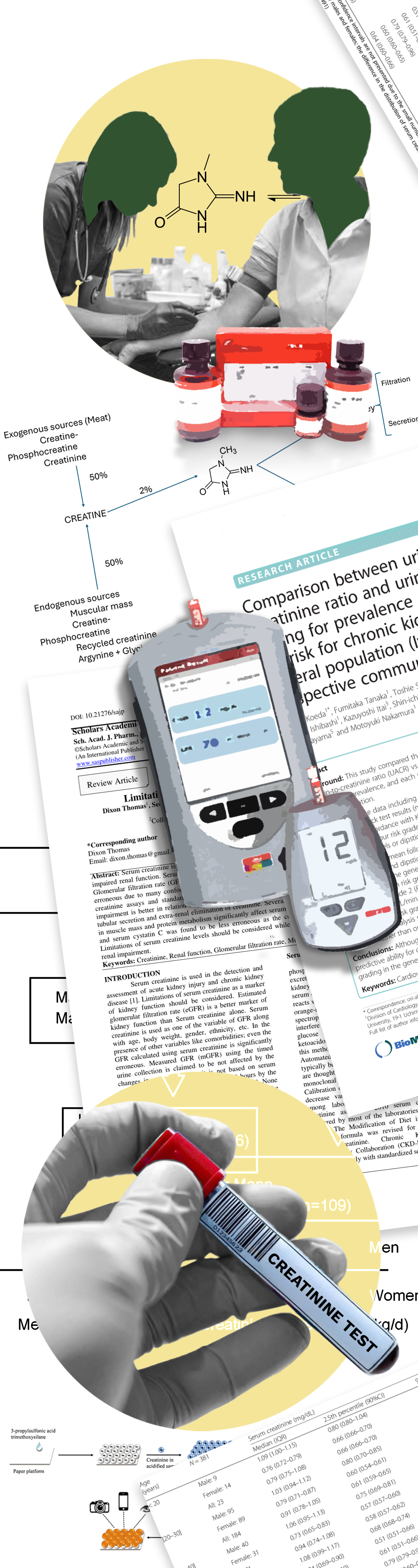
The Creatinine test measures the level of creatinine — a waste product generated from muscle metabolism — in the blood or urine. Since kidneys normally filter creatinine out of the blood, elevated levels can indicate impaired kidney function or disease. It’s a key marker in evaluating renal health and is often part of a basic metabolic panel or renal function panel.
Doctors use the creatinine test to:
Evaluate kidney function
Monitor chronic kidney disease (CKD) progression or acute kidney injury
Assess the effectiveness of dialysis
Support diagnosis in cases of dehydration, heart failure, or urinary obstruction
Calculate estimated glomerular filtration rate (eGFR) — a critical kidney function metric
No major preparation is needed unless your doctor advises fasting (if part of a larger panel). However:
Inform the provider about medications like ACE inhibitors, NSAIDs, or diuretics, which may impact results.
Avoid high-protein meals and intense workouts just before the test as they may temporarily raise creatinine levels.
Access types:
Serum Creatinine: Blood sample from a vein (commonly arm).
Urine Creatinine: 24-hour urine collection.
For Blood Test:
A healthcare provider will clean the skin and draw blood using a needle.
The sample is sent to a lab for creatinine concentration analysis (reported in mg/dL).
For Urine Test:
You’ll be instructed to collect all urine over a 24-hour period.
The sample is tested for creatinine levels and compared with blood results for creatinine clearance estimation.
Normal serum creatinine ranges:
Men: 0.74 to 1.35 mg/dL
Women: 0.59 to 1.04 mg/dL
Children: 0.3 to 0.7 mg/dL
Elevated creatinine may suggest:
Kidney dysfunction or failure
Dehydration
Urinary tract blockage
Certain medications or supplements
Low creatinine may indicate:
Muscle wasting diseases
Liver disease
Malnutrition
The test itself poses minimal risk:
Mild pain or bruising at the blood draw site
Dizziness or fainting (rare)
No risks associated with urine collection
Creatinine levels help:
Assess kidney function over time
Estimate eGFR for CKD staging
Guide medication dosage for drugs cleared through the kidneys
Determine need for dialysis or further intervention
The creatinine clearance (from blood and urine) helps detect early kidney impairment even before symptoms develop.
Stay hydrated, unless otherwise advised
Follow a renal-friendly diet (low protein, potassium, or sodium based on CKD stage)
Avoid creatine supplements or nephrotoxic drugs
Monitor for symptoms like fatigue, swelling, or urine changes
Routine monitoring may be required in patients with diabetes, hypertension, or CKD.
Primary Care Physician/Nephrologist: Orders, interprets results, adjusts treatments
Phlebotomist: Performs blood collection
Lab Technologist: Processes and analyzes specimens
Dietitian: Advises on kidney-friendly nutrition
Research and clinical trials are exploring:
More accurate eGFR formulas for diverse populations
Non-invasive methods to monitor kidney function
Biomarkers for earlier detection of renal damage