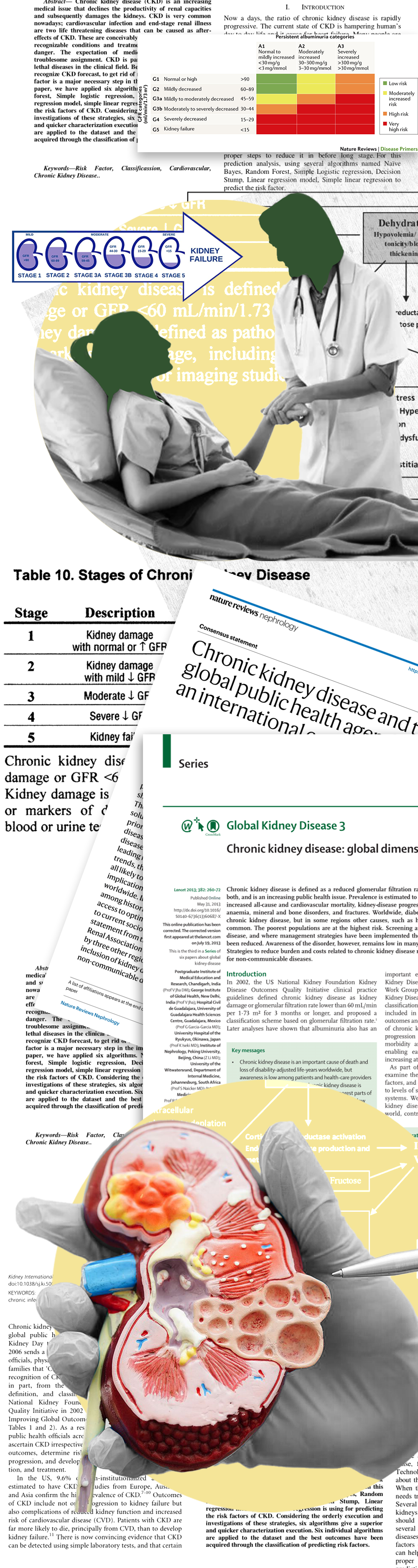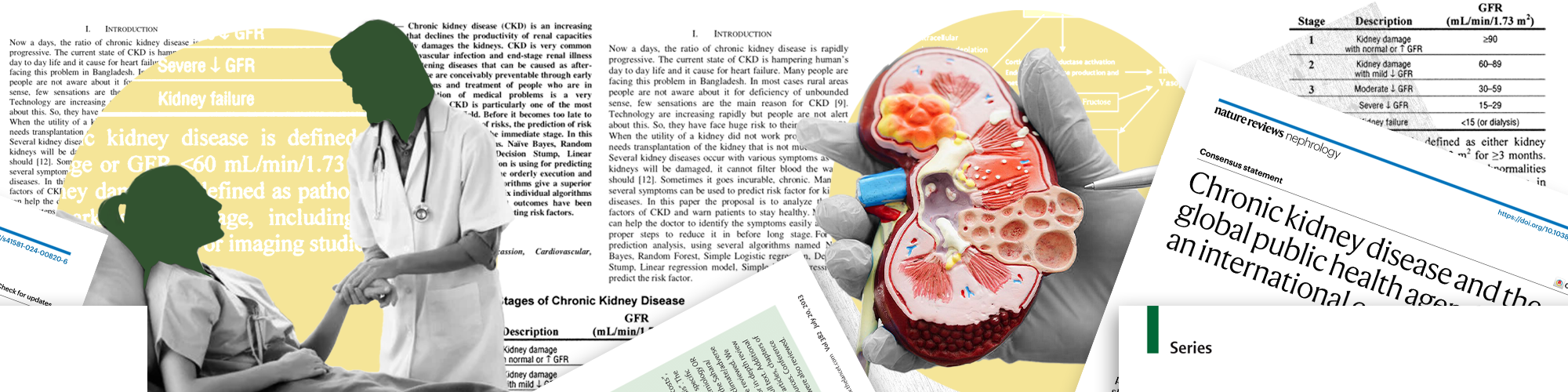
Chronic Kidney Disease is a long-term condition where the kidneys gradually lose function over time. Kidneys filter waste and excess fluids from the blood, and when they fail, dangerous levels of fluid, electrolytes, and waste can build up.
CKD progresses through five stages, from mild damage (Stage 1) to complete kidney failure (Stage 5 or end-stage renal disease, ESRD), often requiring dialysis or kidney transplant.
CKD is diagnosed to:
Detect kidney damage early through blood (creatinine, BUN) and urine (protein, albumin) tests.
Monitor kidney health using eGFR (estimated glomerular filtration rate).
Identify underlying causes: diabetes, hypertension, glomerulonephritis, or polycystic kidney disease.
Guide treatment to delay progression and prevent complications.
Common signs/symptoms prompting evaluation include:
Swelling in legs/ankles
Fatigue
High blood pressure
Foamy urine
Blood in urine
Poor appetite
No prep is needed for basic screening, but ongoing management includes:
Regular blood & urine tests
Blood pressure monitoring
In advanced stages: preparation for dialysis access like AV fistula or kidney transplant evaluation
Access may include:
Nephrologist consultations
Lifestyle and dietitian support
Pharmacist-managed medication plans
There’s no single “procedure” but a treatment protocol involving:
Controlling underlying conditions like diabetes & hypertension
Prescribing medications to:
Manage BP (ACE inhibitors/ARBs)
Reduce proteinuria
Correct anemia or acidosis
Dietary changes: Low sodium, potassium, phosphorus, and protein (as per stage)
Lifestyle modifications: Weight control, smoking cessation, activity
Monitoring for progression via lab tests and imaging
In ESRD:
Dialysis or transplant becomes necessary.
CKD is progressive but manageable.
Early stages may have no symptoms.
Patients usually visit a nephrologist every 3–6 months depending on stage.
As it progresses, symptoms become more noticeable (fatigue, nausea, swelling).
Requires lifelong monitoring and management.
In later stages:
Dialysis may be needed
Transplant evaluation begins
With proper care, progression can be delayed
CKD increases the risk for:
Heart disease & stroke
Anemia
Bone mineral disorders
Electrolyte imbalances
Fluid overload
End-stage renal disease
High BP that worsens CKD
Uremia, requiring dialysis
Mental health challenges, including depression
With early diagnosis and strict control, progression can be slowed.
eGFR and albuminuria are key metrics.
Target BP: typically<130/80 mmHg.
Medications, diet, and regular follow-ups improve quality of life.
Dialysis and transplant can extend survival and improve symptoms in ESRD
Adherence to medication and diet is critical
Daily monitoring of BP, weight, symptoms (swelling, breathlessness)
Avoid NSAIDs, contrast agents, high-protein diets
Exercise and mental health support
Routine tests every 3–6 months (more often if advanced)
Nephrologist: Diagnoses, monitors, and manages CKD
Primary Care Provider: Helps coordinate care and comorbidities
Dietitian: Creates individualized meal plans to protect kidney health
Pharmacist: Adjusts medications based on renal clearance
Social Worker/Psychologist: Support with coping, insurance, dialysis prep
Clinical Trials:
Novel drugs to slow CKD progression
Anti-fibrotic therapies
Early diagnostic biomarkers
Dialysis alternatives or enhancements