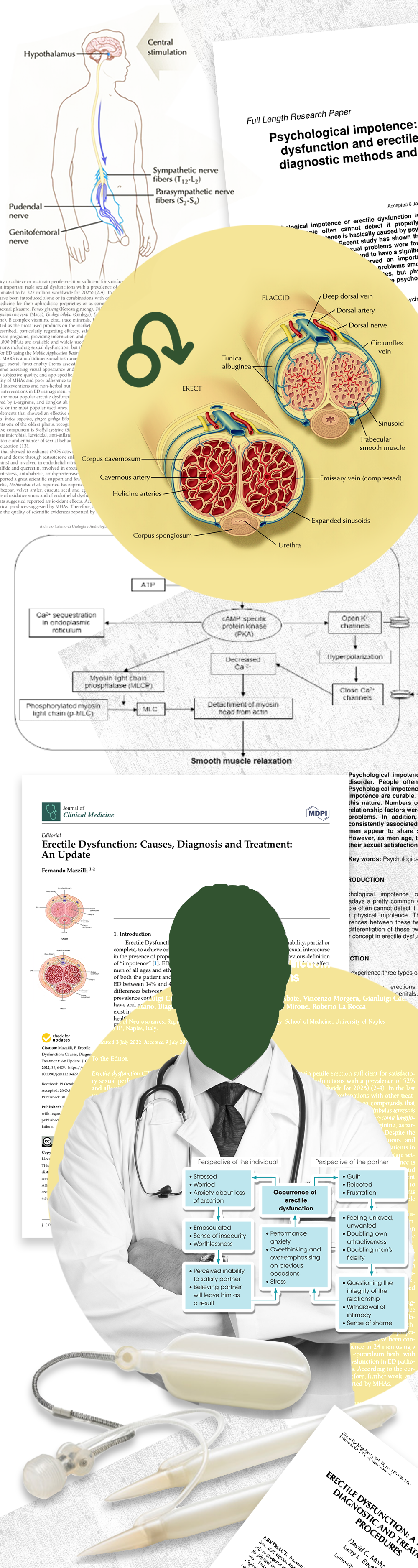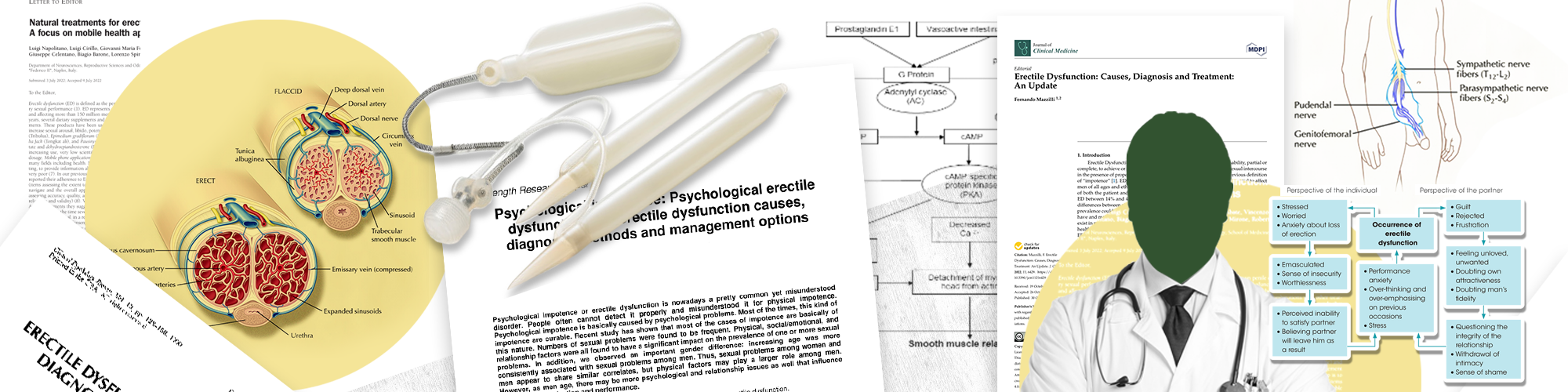
Erectile dysfunction (ED) is the inability to achieve or maintain an erection firm enough for satisfactory sexual intercourse. Occasional erection problems are common, but persistent ED may indicate an underlying health condition requiring treatment. It can be influenced by physical, psychological, or lifestyle factors.
ED evaluation and treatment are recommended if:
Difficulty achieving or maintaining erections occurs consistently.
It affects self-esteem, relationships, or quality of life.
Symptoms may be linked to cardiovascular disease, diabetes, hormonal imbalance, or neurological disorders.
A complete medical and sexual history will be taken.
Physical examination focusing on genitals, nerves, and vascular health.
Lab tests may include blood sugar, cholesterol, testosterone levels, and other hormone tests.
Psychological evaluation may be conducted to identify stress, anxiety, or depression.
Treatment depends on the underlying cause and may involve:
Lifestyle changes – Exercise, weight loss, quitting smoking, reducing alcohol.
Oral medications – PDE5 inhibitors like sildenafil, tadalafil, vardenafil.
Hormone therapy – For low testosterone.
Devices – Vacuum erection devices, penile implants.
Counseling – Addressing performance anxiety, relationship stress, or mental health issues.
Most treatments are outpatient and can be combined for better results.
Oral medication works within 30–60 minutes for many patients.
Counseling may require multiple sessions for lasting improvement.
Side effects from medication – headache, flushing, vision changes.
Risks from implants – infection, mechanical failure.
Overlooking underlying heart disease by treating ED symptomatically without evaluation.
High success rates when the cause is identified and treated.
Improved sexual function, confidence, and relationship satisfaction.
Continue lifestyle changes to improve vascular health.
Monitor other health conditions like hypertension and diabetes.
Avoid self-medication from unverified sources.
Urologists – Lead diagnosis and treatment.
Urologists – Lead diagnosis and treatment.
Endocrinologists – Manage hormonal imbalances.
Endocrinologists – Manage hormonal imbalances.
Psychologists/Sex Therapists – Address mental health and relationship concerns.
Psychologists/Sex Therapists – Address mental health and relationship concerns.
Ongoing Research – Stem cell therapy, shockwave therapy, and regenerative medicine are under investigation for ED.
Ongoing Research – Stem cell therapy, shockwave therapy, and regenerative medicine are under investigation for ED.