
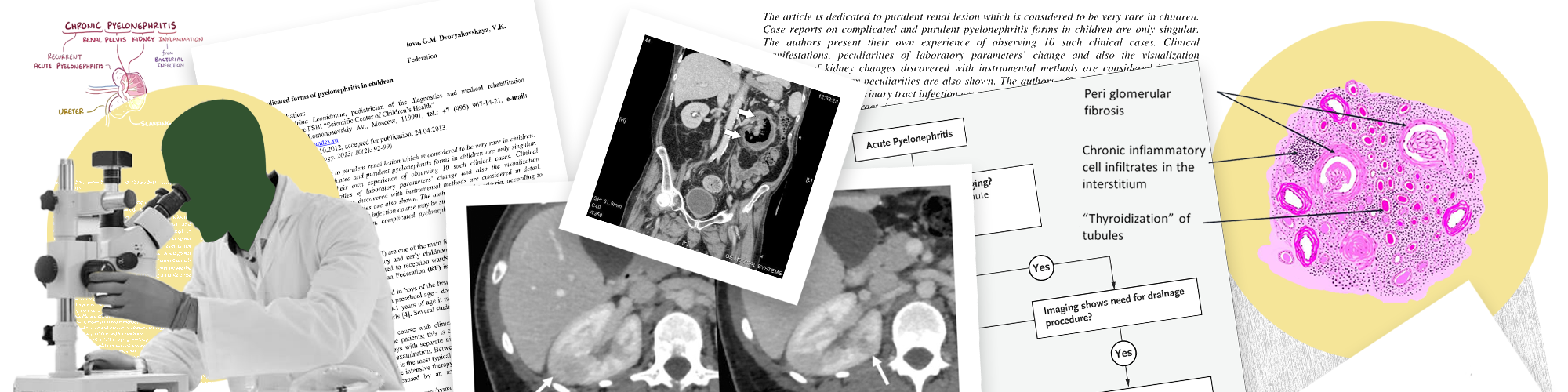
Pyelonephritis is a type of urinary tract infection (UTI) that commonly begins in your bladder and moves upstream to one or both of your kidneys. bacteria enter the kidneys and causes inflammation of the renal pelvis and the kidney tissue. Pyelonephritis can be either acute, with a sudden onset and severe symptoms, or chronic, involving persistent and recurrent kidney infections that may lead to long-term kidney damage. If not treated properly, bacteria can spread to the bloodstream and cause a dangerous infection.
Kidney infections are usually caused by bacteria that enter from the urethra into the urinary tract and travel to the kidneys. In some cases, bacteria from an infected body part travels to the kidneys through the bloodstream. For instance, bacteria from an infected heart valve or artificial joint can lead to a kidney infection
Viruses can cause them, too, but it’s rare in people who are healthy. Some types of bacteria that cause kidney infections include:
E. coli.
Proteus mirabilis.
Enterobacter.
Staphylococcus.
Other causes of pyelonephritis include:
Kidney surgery
Structural abnormalities that lead to blockage of urine output.
An enlarged prostate gland that constricts the urethra.
If the immune system is compromised due to low white blood cell count, intake of certain drugs, HIV, or cancer.
Pregnancy, where the enlarging uterus can squeeze the ureters and reduce the flow of urine, allowing the bacteria to migrate to the kidneys.
Uncontrolled diabetes mellitus
Several factors contribute to an increased risk of kidney infection, including:
Gender: Women face a higher risk due to the shorter length of their urethra, facilitating easier bacterial travel from the external environment to the bladder. The proximity of the urethra to the vagina and anus further enhances the risk, making it easier for bacteria to enter the bladder. Pregnant women are particularly susceptible.
Urinary Tract Blockage: Conditions that impede urine flow or hinder complete bladder emptying, such as kidney stones, a narrowed urethra, or an enlarged prostate gland, elevate the risk of kidney infection.
Weakened Immune System: Medical conditions like diabetes and HIV, along with certain medications that suppress the immune system (commonly used post-organ transplant to prevent rejection), increase vulnerability to kidney infections.
Nerve or Spinal Cord Damage: Impairment to nerves around the bladder can diminish the sensation of a bladder infection, making it challenging to detect when an infection progresses to the kidneys.
Urinary Catheter Usage: The use of urinary catheters, which are tubes employed to drain urine from the bladder, introduces a heightened risk of infection. Catheters are commonly utilised post-surgery or for diagnostic purposes, as well as in individuals confined to a bed.
Abnormal Urine Flow: Conditions like vesicoureteral reflux, where small amounts of urine flow backward from the bladder into the tubes connecting the bladder and kidneys, elevate the risk of kidney infections both in childhood and adulthood.
The signs and symptoms of a kidney infection generally include:
Fever
Chills
Back or groyne pain
Abdominal pain
Frequent urination
Strong, persistent urge to urinate
Burning sensation or pain when urinating
Nausea and vomiting
Pus or blood in your urine (hematuria)
Urine that smells bad or is cloudy
Note: Symptoms may differ in children and adults. Also, people with chronic pyelonephritis might experience only mild symptoms or even lack noticeable symptoms altogether.
To rule out kidney infections, the doctors may advise some of the following tests:
Urine analysis to evaluate for blood, pus, and bacteria in the sample
Urine culture to access the type of bacteria
Besides the above-mentioned tests, the doctor may also recommend the following tests:
Ultrasound or CT - Performed to look out for a blockage in the urinary tract.
Voiding cystourethrogram (VCUG) - A type of X-ray that looks for issues in the urethra and bladder. Doctors often perform these on children.
Digital rectal exam (for men) - In this procedure, the doctor inserts a lubricated finger into the anus to check for a swollen prostate.
Dimercaptosuccinic acid (DMSA) scintigraphy - This technique uses radioactive material to show kidney infection and damage.
The treatment options for pyelonephritis typically involve a combination of medications and lifestyle adjustments. Here are the common approaches:
Antibiotics: The primary treatment for pyelonephritis is a course of antibiotics. The specific antibiotic prescribed will depend on the severity of the infection and the bacteria causing it. It's crucial to complete the full course of antibiotics as directed by the healthcare provider.
Pain Medications: Pain relievers, such as acetaminophen or ibuprofen, may be recommended to alleviate pain and reduce fever associated with pyelonephritis. It's essential to consult with a healthcare professional before taking any medication.
Hydration: Adequate hydration is crucial to help flush bacteria out of the urinary system. Drinking plenty of water is generally advised to support the healing process.
Hospitalisation (in severe cases): If the infection is severe or if there are complications, hospitalisation may be necessary. During the stay at the kidney hospital, intravenous (IV) antibiotics and fluids may be administered for more effective and immediate treatment.
Follow-up Testing: After completing the antibiotic course, follow-up testing, such as urine and complete blood tests, may be conducted to ensure that the infection has been fully eradicated.
Addressing Underlying Causes: If there are underlying factors contributing to recurrent pyelonephritis, such as kidney stones or urinary tract abnormalities, addressing these issues may be part of the treatment plan to prevent future infections.
The choice of treatment will depend on factors such as the patient's overall health, the severity of the infection, and the presence of any underlying conditions.
Pyelonephritis can lead to various complications. Here are some of the most common ones.
Kidney damage - Pus might collect and form an abscess inside the kidney tissue. As a result, the bacteria may spread to other parts of the body. Kidneys can also become scarred, leading to high blood pressure levels, chronic kidney disease, and even kidney failure.
Blood poisoning (septicemia) - When bacteria from a kidney infection is transported into the bloodstream, they can transfer to the body and into the organs as well. This is a serious medical concern and requires treatment quickly.
Severe infection - The presence of an infection called Emphysematous Pyelonephritis (EPN) may result in the destruction of kidney tissue and the formation of toxic gases up there. It usually occurs in people with diabetes.
Problems in pregnancy - Women who have kidney infections while conceiving are more prone to have premature babies or with low weight and kidney complications.
The risk of kidney infections can be avoided by taking certain steps. Women, in particular, may lessen their chances of urinary tract infections if they follow the below-mentioned things:
Drink plenty of fluids, especially water, as they help to remove bacteria from the body during urination.
Avoid delaying urination
Empty the bladder after intercourse as it helps clear bacteria from the urethra, thereby reducing any chance of infection.
Wipe carefully. Wiping from the front to the back region after urinating and after the completion of bowel movement helps prevent bacteria from progressing to the urethra.
Avoid using feminine products in the genital area, as it can be irritating.
With treatment, the outlook for kidney infections (pyelonephritis) is positive. It is vital that patients take all prescribed medications for the infection. You may begin feeling better shortly after starting treatment but need to continue the entire prescribed treatment.
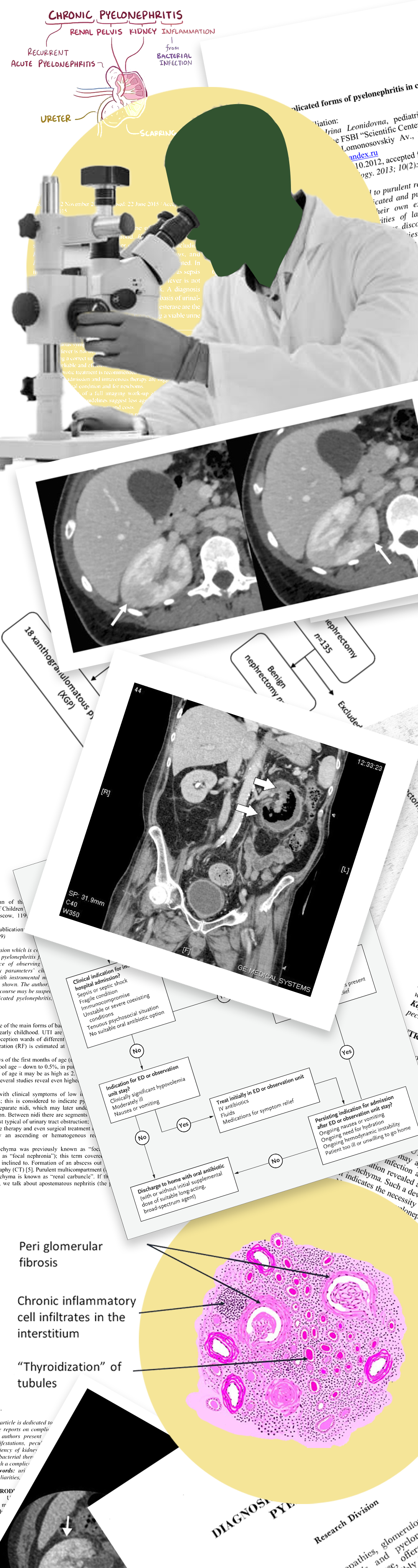
Acute pyelonephritis is a sudden and severe kind of kidney infection that causes the kidneys to enlarge and can even permanently impair them. When repeated or persistent infection occurs, the condition is called chronic pyelonephritis. However this chronic form is rare, but it happens more often in children or people with urinary obstructions.
Doctor consultation is required if the patient is experiencing signs or symptoms. If the patient is treated for a urinary tract infection, but the signs and symptoms aren't improving, then they should visit a kidney specialist. Also, patients should seek immediate medical attention if they develop the above symptoms combined with haematuria, nausea, and vomiting.
A kidney infection is a type of urinary tract infection (UTI) that affects the kidneys, while a UTI is an infection that affects any part of the urinary tract, including the urethra, bladder, ureters, and kidneys. UTIs are more common than kidney infections, and kidney infections are more serious than UTIs.
With prompt treatment, most people with pyelonephritis will start to feel better within a few days and should feel completely better within 2 weeks. However, if the patient is older or has an underlying medical condition, it may take longer to recover. Also, the patient should contact their doctor if their symptoms do not improve within 24 hours of starting treatment.
With pyelonephritis, urine colour can range from clear to cloudy and white. The cloudy and white appearance is due to the presence of white blood cells, bacteria, and other inflammatory cells in the urine.
While some lower UTIs may resolve on their own, kidney infections can pose significant risks if left untreated. Seeking medical attention promptly is crucial to prevent complications.
While home remedies may provide some relief, they are not substitutes for professional medical treatment. It is essential to follow the doctor's instructions regarding prescribed medications and self-care measures to effectively combat the infection. Staying hydrated by consuming plenty of water and avoiding alcohol and caffeine can support kidney function during the healing process.
Foods beneficial for kidney health during an infection include watermelon, cranberries, blueberries, apples, garlic, ginger, and leafy greens. Opt for low-sodium options and stay hydrated with water. Consult a healthcare professional for personalised dietary recommendations.
During a kidney infection, it's advisable to avoid high-sodium foods, processed foods, excessive caffeine, and alcohol. Limit phosphorus-rich foods like dairy and certain meats. Consult with a healthcare professional for personalised dietary guidance.
Pyelonephritis, also known as a kidney infection, can be classified into two main types:
Ascending pyelonephritis: This is the most common type of pyelonephritis and occurs when bacteria from the bladder or lower urinary tract travel up the ureters to infect the kidneys.
Hematogenous pyelonephritis: This less common type of pyelonephritis occurs when bacteria from an infection elsewhere in the body, such as a skin infection or pneumonia, spread to the kidneys through the bloodstream.
Max Hospital has a team of some of the best nephrologists in India so you may rest assured that no matter who you choose, you are in good hands. The nephrologists at Max Hospital are highly experienced and skilled in treating all types of Chronic kidney diseases. They are also compassionate and understanding, and they will work with you to develop a treatment plan that is right for you.
A kidney infection is a type of urinary tract infection (UTI). But when people say “UTI,” they often mean a lower urinary tract infection, or infection of their bladder or urethra. A lower UTI and a kidney infection can have similar symptoms, but a kidney infection is more likely to suddenly make you feel sick, give you a fever or cause pain in your lower back or side.