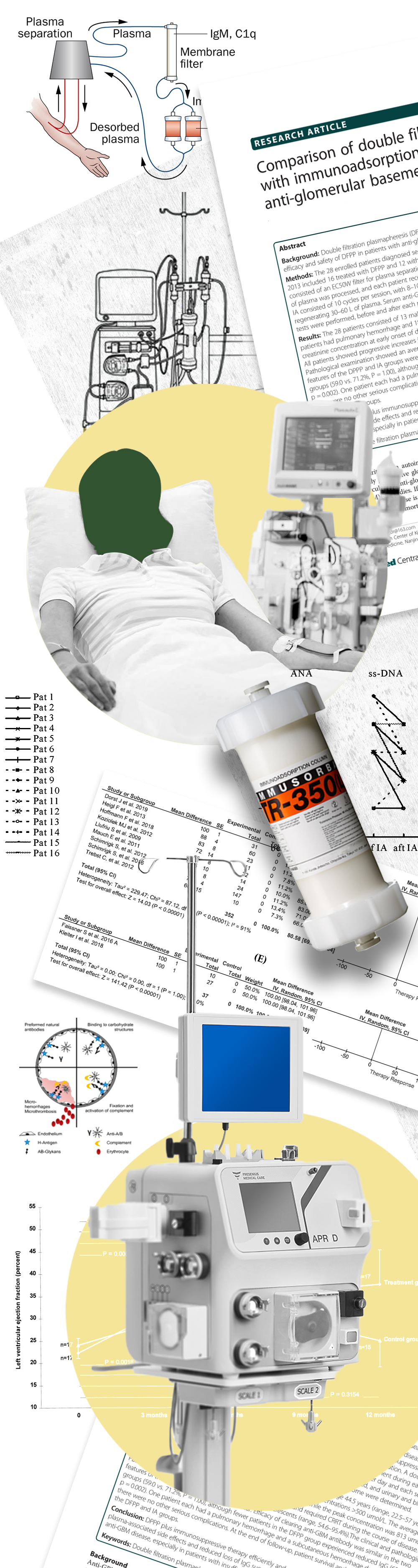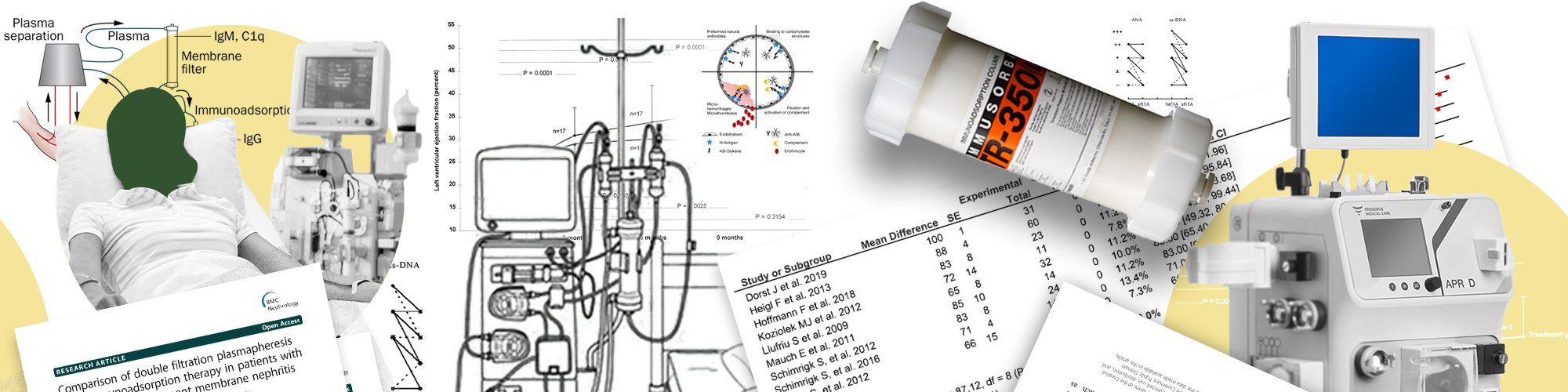
Immunoadsorption is a therapeutic apheresis technique designed to remove harmful antibodies, immune complexes, or specific plasma proteins from the blood. It is often used in autoimmune diseases, transplant rejection, and neurological or renal conditions. Unlike plasma exchange, this process selectively targets immune molecules, reducing side effects associated with plasma removal or replacement.
Immunoadsorption is used when the immune system produces autoantibodies or pathogenic proteins that damage the body's tissues. It is typically indicated for:
Autoimmune disorders (e.g., lupus, Goodpasture’s syndrome, multiple sclerosis)
Neurological conditions (e.g., myasthenia gravis, Guillain-Barré syndrome)
Kidney diseases (e.g., focal segmental glomerulosclerosis, antibody-mediated rejection)
Before or after transplantation to reduce donor-specific antibodies
When conventional immunosuppression is insufficient or not tolerated
Before therapy, patients undergo:
Blood tests to assess antibody levels, kidney and liver function
Cross-matching if pre-transplant
Evaluation of infection status
Vascular Access:
Central venous catheter is typically used for multiple sessions
Peripheral access may be suitable for short-term or single-session therapy
Patients are usually advised:
To fast for a few hours before treatment
To stay well-hydrated unless medically restricted
Blood is drawn from the body via venous access.
It passes through a selective adsorber column designed to trap specific antibodies (e.g., IgG, immune complexes).
The cleaned plasma is then returned to the body (without donor plasma or substitutes).
One session usually takes 2 to 4 hours and may be repeated over several days or weeks depending on the condition.
The column used may be antigen-specific or protein A/G-based for non-specific immunoglobulin removal.
Typically performed in a hospital, dialysis center, or specialized clinic.
Treatment may be repeated over multiple sessions (e.g., 3–5 sessions in 1 week).
Patients are monitored for vital signs, allergic reactions, and blood chemistry during and after treatment.
Most people tolerate it well and can resume normal activity shortly after each session.
Though generally safe, risks include:
Allergic reactions to materials in the adsorption column
Low blood pressure (hypotension)
Infection at catheter site
Bleeding due to changes in clotting factors
Electrolyte imbalances or fatigue
Compared to plasma exchange, immunoadsorption has lower risk of infection and no need for plasma replacement, making it safer in many cases.
Rapid reduction in circulating pathogenic antibodies
Improved clinical symptoms in autoimmune and inflammatory diseases
Shorter recovery times and reduced need for long-term immunosuppression in some cases
In transplant scenarios, it can help prevent or reverse antibody-mediated rejection
Outcome monitoring includes antibody titers, clinical symptoms, and organ function (e.g., kidney creatinine, neurological status).
Immunosuppressive medication may be continued or adjusted.
Hydration and nutrition should be optimized to support recovery.
Infection prevention and wound care at access sites are critical.
Avoid NSAIDs or blood thinners unless advised.
Follow-up appointments are scheduled to reassess need for further sessions or treatment changes.
Nephrologist/Immunologist: Determines indication, monitors response.
Apheresis Specialist or Hematologist: Oversees procedure.
Nursing Team: Conducts session, monitors for side effects.
Lab Technician: Evaluates antibody levels and blood chemistry.
Clinical Trials are ongoing in areas like:
Next-gen immunoadsorption columns with higher specificity
AI-based antibody response monitoring
Use in emerging autoimmune and transplant applications